Costa Rica’s South Pacific Region Is Still A Tranquil, Relaxing Destination
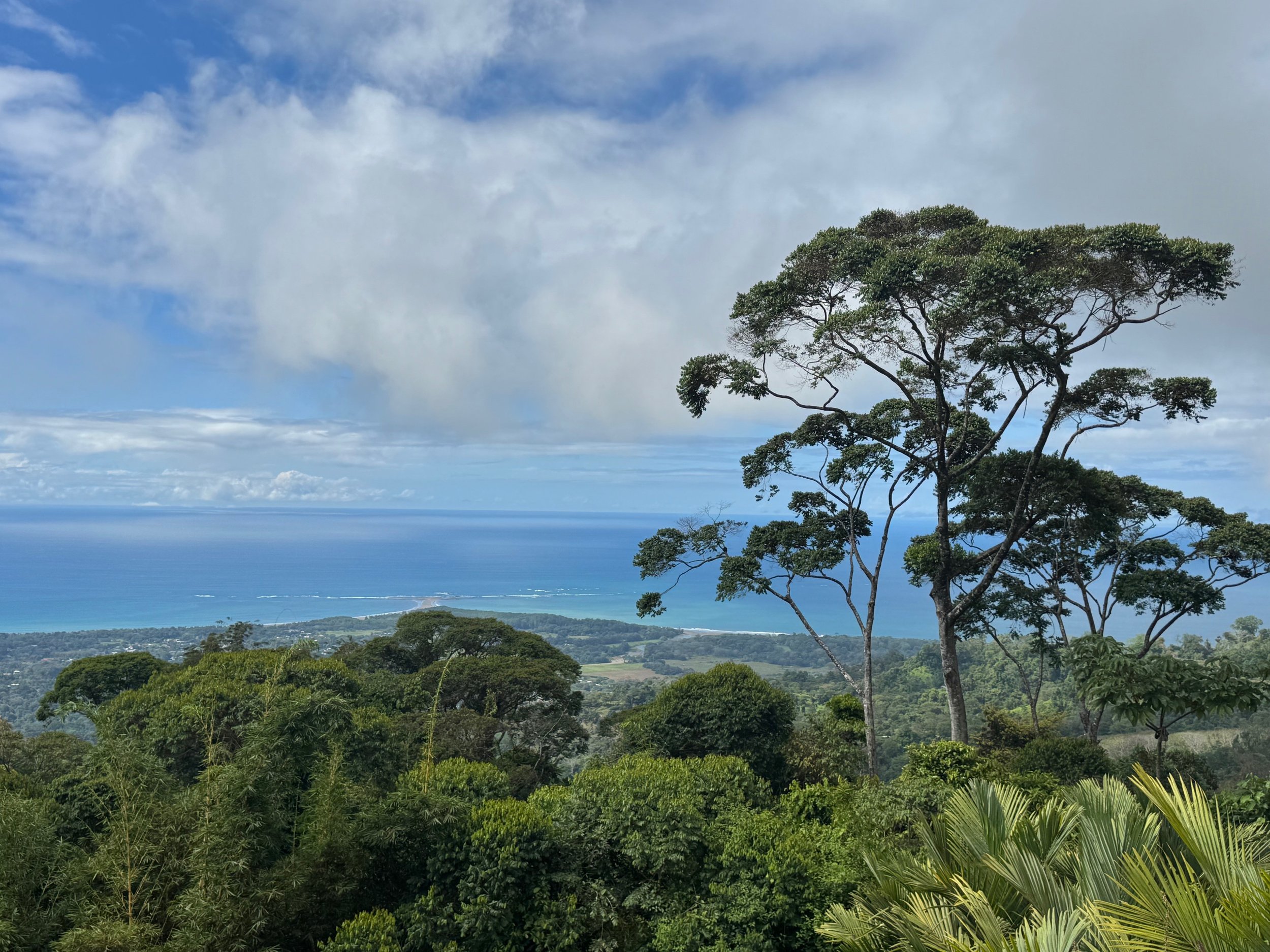
I recently revisited Costa Rica’s southern Pacific region, where you’ll find few tourists but several incredible national parks, untouched rainforest, and mountain resorts that tout secluded ‘treehouses’ for accommodations.
It had been ten years since my last visit, and I hoped there wouldn’t be too many noticeable changes now that ecotourism is one of the country’s primary economic drivers.
Pura Vida
In Costa Rica, you’ll often hear the phrase, ‘Pura Vida’
as a greeting or a farewell: ‘Hello’, ‘Goodbye’, or ‘See you later’,
to express well-being: ‘I’m good’ or ‘Everything’s fine’,
to describe something in a positive light: ‘That’s great’ or ‘Awesome’,
to shrug off problems or keep things positive: ‘Oh well, that’s life’.
Essentially, ‘Pura Vida’ is Costa Rica's way of saying life is good and should be lived fully and happily by embracing simple pleasures and a calm pace. The meaning is also tied to a deep respect for the environment. Costa Ricans live this phrase. It’s one reason Costa Rica’s ecotourism is thriving.
Visit The Southern Puntarenas Region
There are several regions in Costa Rica worth visiting, but the southern half of Puntarenas remains my favorite. I find Guanacaste and northern Puntarenas a bit too touristy and congested (for Costa Rica). I enjoy visiting Costa Rica because I can overdose on ‘Pura Vida’ and nature, and love watching monkeys and sloths in their natural habitat.
Luxury Accommodations
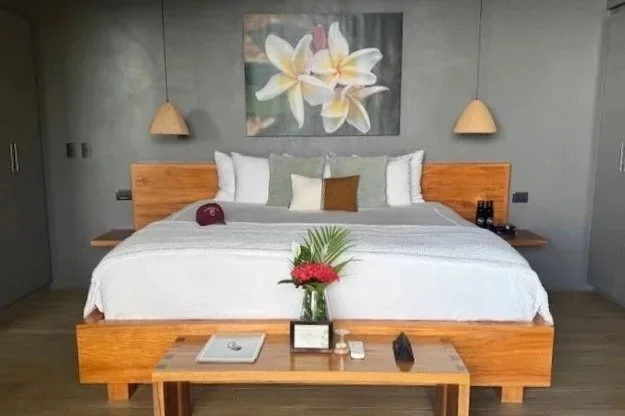
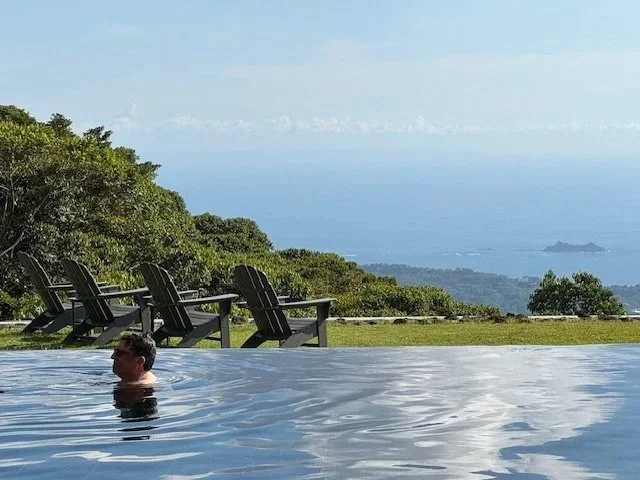
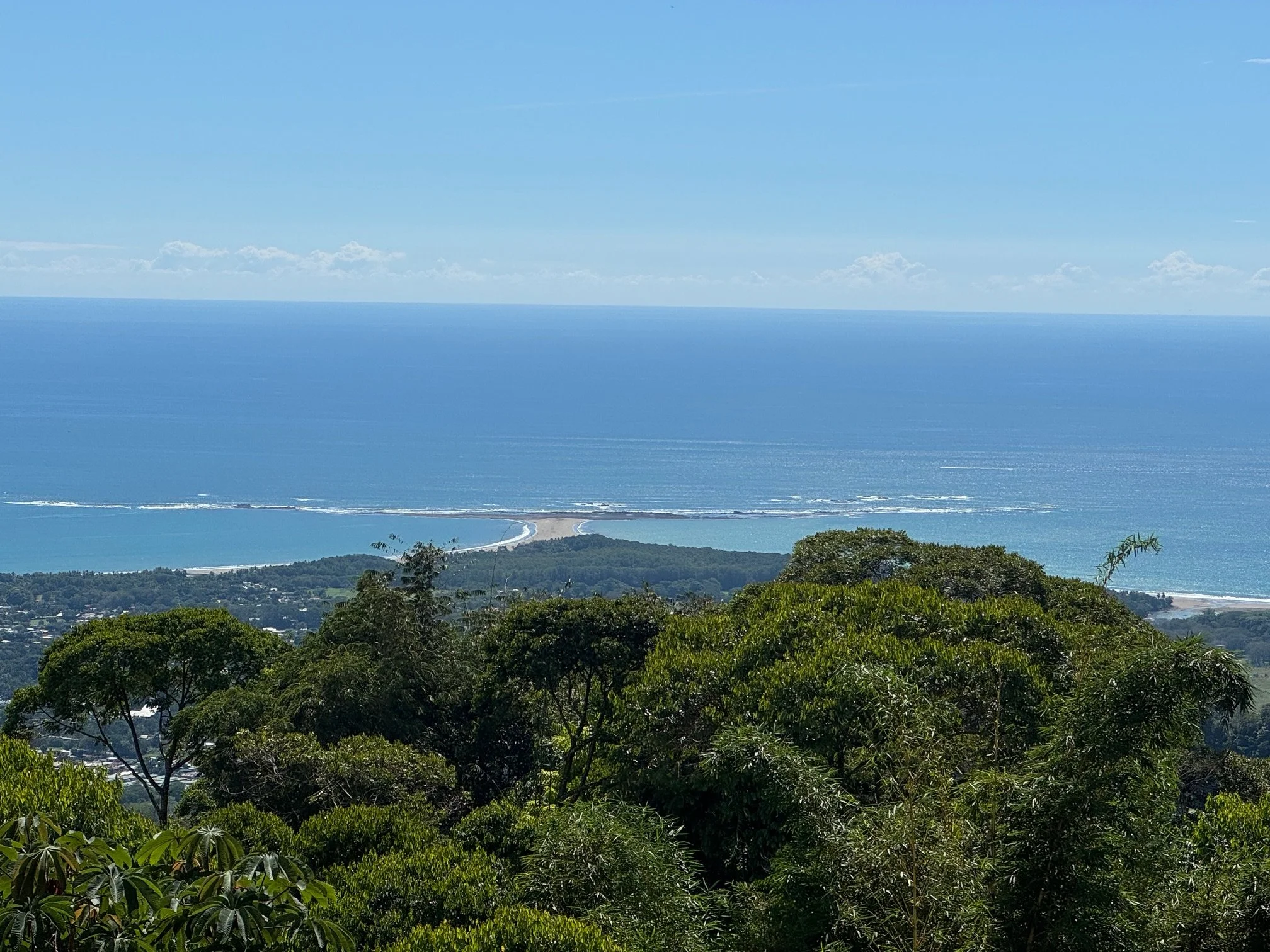
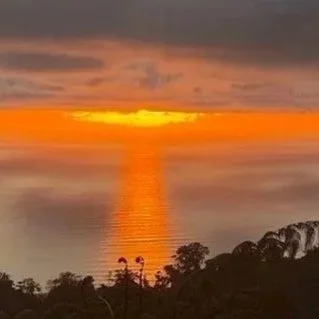
Our base was Rancho Pacifico, a small adults-only luxury resort high in the mountains above the town of Uvita. The 2-mile road to the resort is unpaved, single-lane, and steep with countless switchbacks. Four-wheel drive is required. The whole way up, you’re thinking, ‘this is crazy, we’re still climbing!’ But once you arrive and see the view and rooms, you don’t give that road a second thought.
The owners of Rancho Pacifico also own Vista Celestial, a small family-friendly resort located just below Rancho Pacifico. The two resorts operate separately, but are connected by the road and a steep walking trail in the rainforest.
The view overlooking Uvita is amazing. At low tide, you can see the 1/2 mile sandbar that forms the whale tail in Marino Ballena National Park (see bottom left photo in above grouping). Sunsets are the evening’s entertainment.
Uvita is a laid-back town with limited restaurants, lodging, and tour operators. In ten years, it has grown a bit, but not significantly.
Visit These National Parks and Protected Wetlands
Marino Ballena National Park
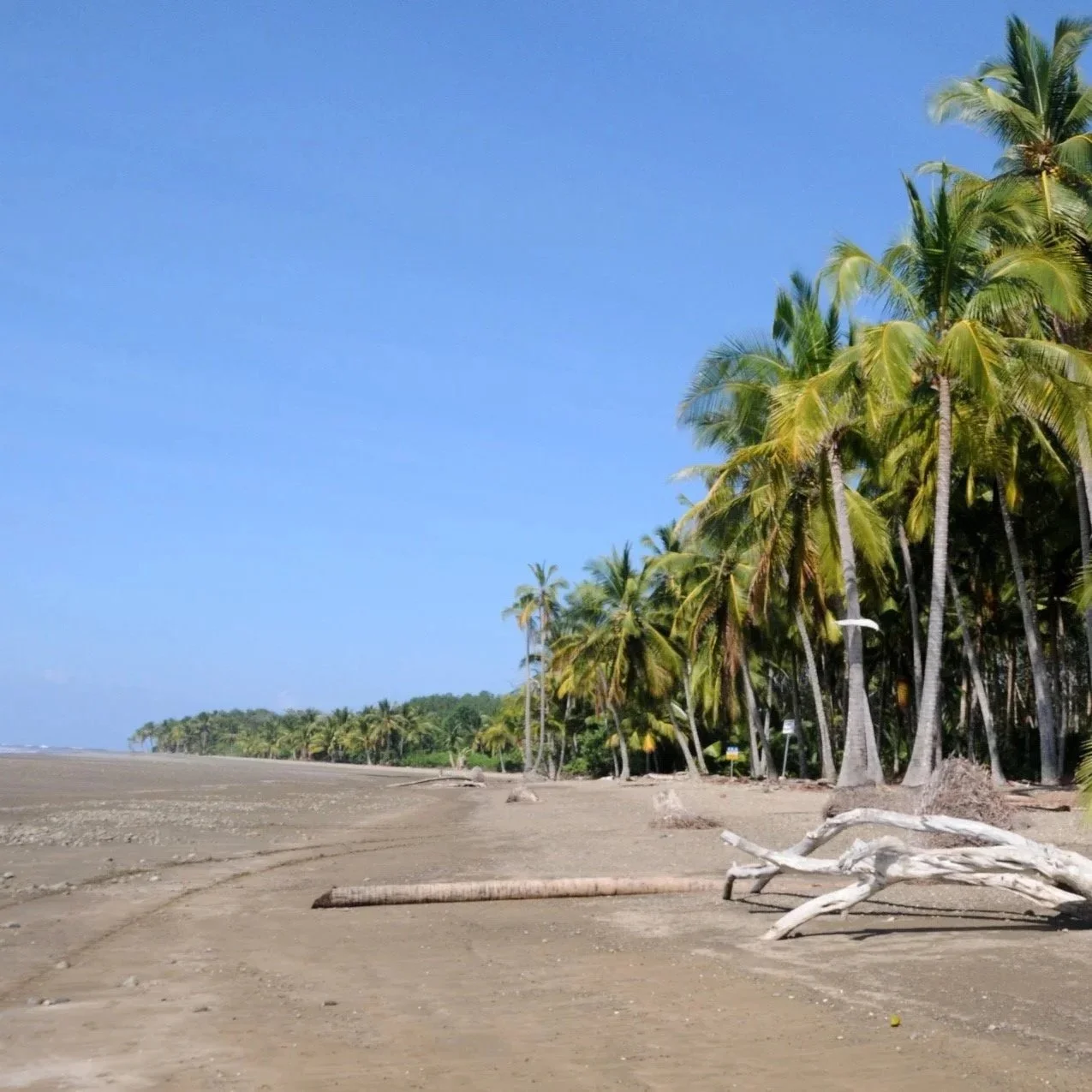
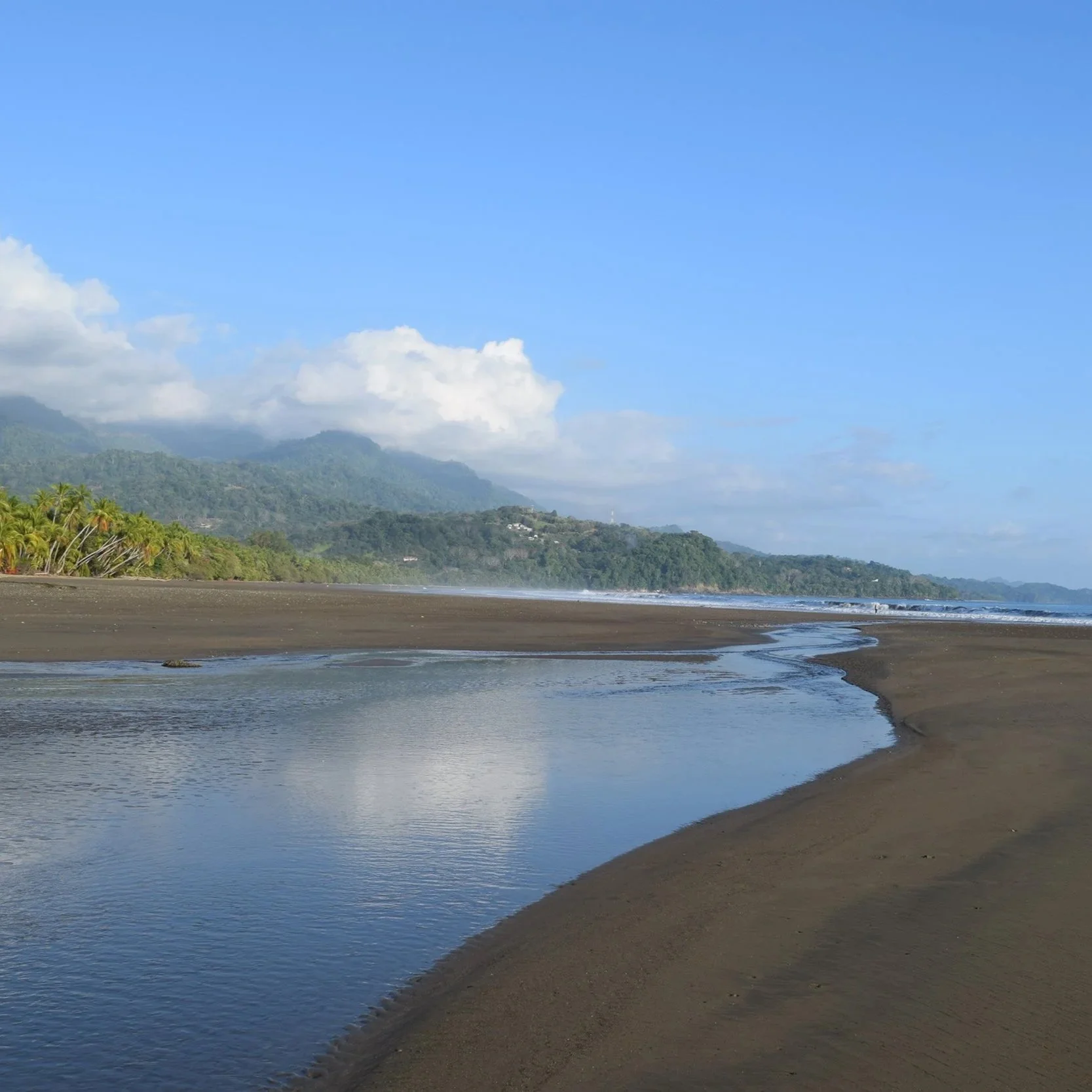
Marino Ballena National Park is part of the Osa Conservation Area, created as a safe place for humpback whale migration. They arrive every year (from July to October) as part of their breeding cycle.
The exceedingly long and untouched beach is framed by rainforest. As the tide recedes, a natural sandbar forms a whale tail that extends about 1/2 mile from the shore. You can walk to the end during low tide, snorkel, and dive. Horseback riding is also offered along the shore by several local businesses. Simply beautiful. But beware of the sun as it is very strong, and the beach can get hot fast (even at 9:00 AM when we visited).
Terraba-Sierpe Mangrove Forest
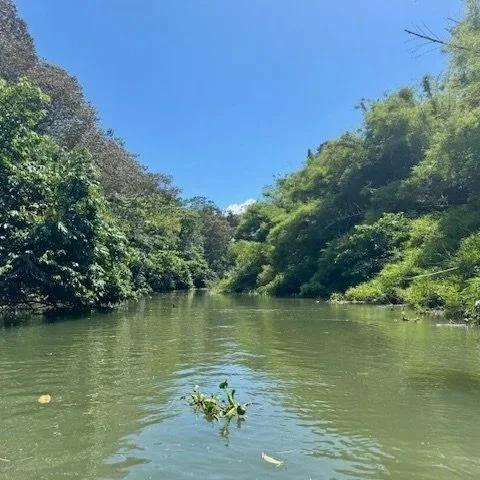
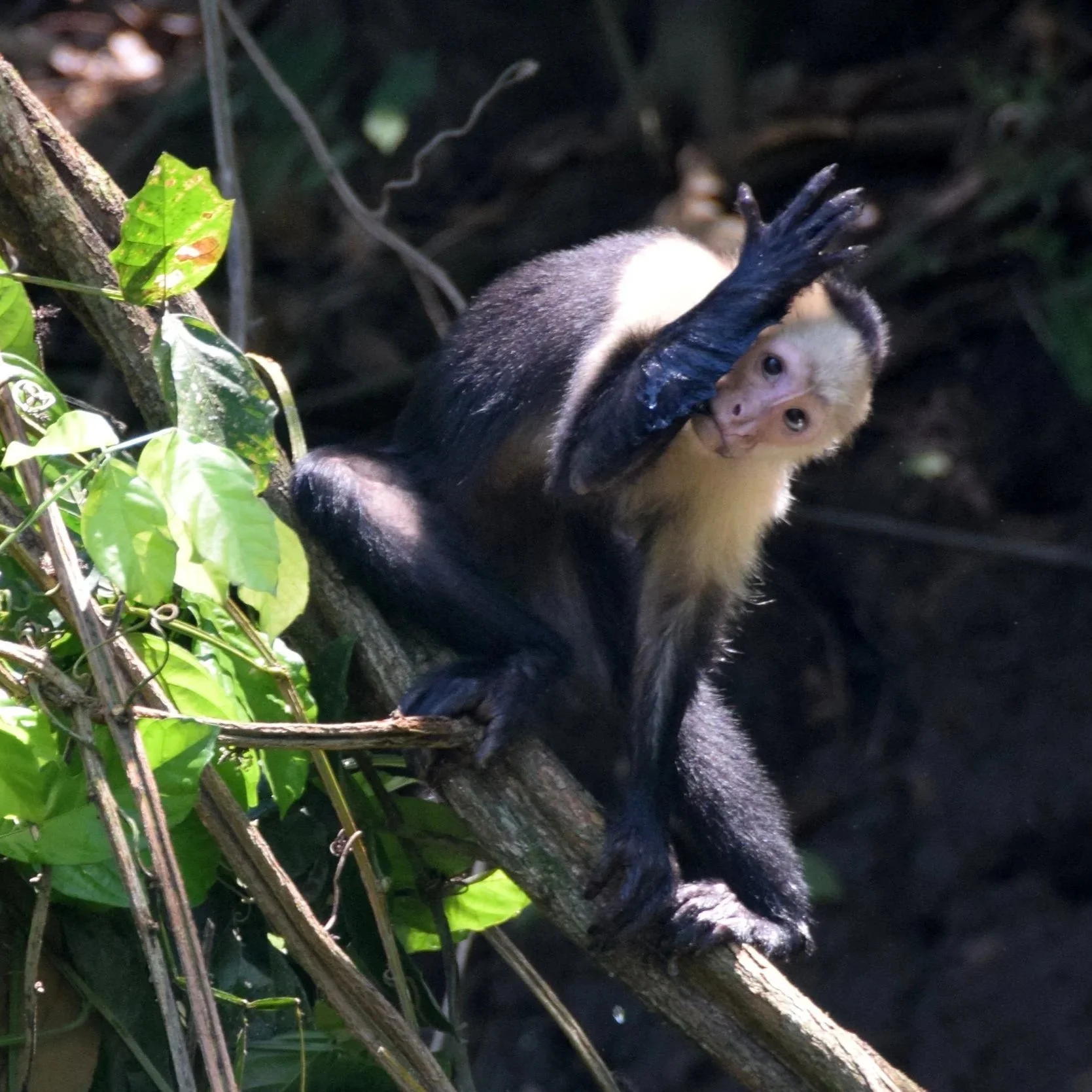
One of the largest wetlands in the world, Terraba-Sierpe is a wildlife lover’s dream. Hire a guide (Enoc, the owner/operator of Sierpe Azul Tours, is the best) to take you along the networks of waterways. With the right guide, you’ll learn a lot about the ecosystem here and see all kinds of herons, exotic birds, owls, monkeys (capuchin and squirrel), sloths, snakes, anteaters, crocodiles, and more. Although we saw more small tours on the water this year compared to ten years ago, it was not overrun with tourists.
Manuel Antonio National Park
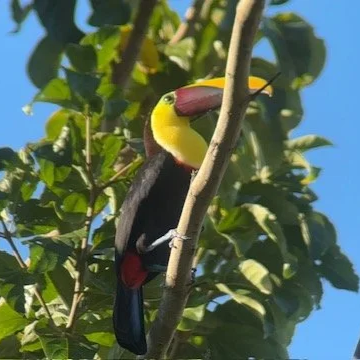
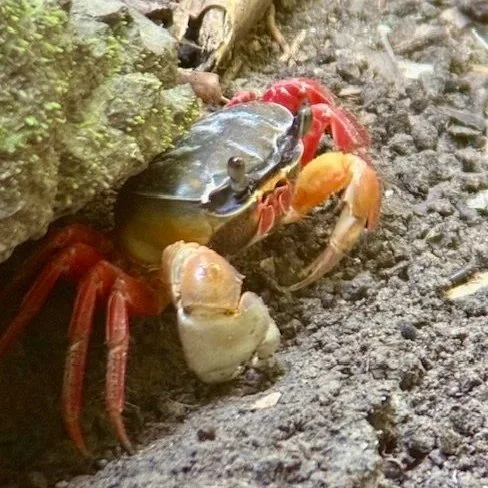
This is the smallest and most-visited national park in the country. I was surprised by how busy the nearby town of Quepos and the tourist strip to the National Park are. Go early to miss some of the traffic and to get a parking space near the NP entrance.
Surprisingly, even with a crowd of visitors, you’ll see quite a few animals—but only if you have a knowledgeable guide (the above pics were taken by our guide, Derek.) Most wildlife (anywhere in the country) is hard to see unless you know where to look. Hired guides at Costa Rica’s National Parks work together and let each other know where animals have been sighted.
This year was our first time visiting this particular NP. We saw many birds, several snakes, including a large viper, a hummingbird in its nest, frogs, bats, several sloths, and lots of capuchin monkeys. I’m not sure I’d visit again, given the crowds and the congestion in the nearby towns; however, it is a good place to see wildlife. The monkeys are very used to tourists. You’ll see them in the trees at the end of the main path that leads to a beautiful beach. Bring a bathing suit!
Corcovado National Park
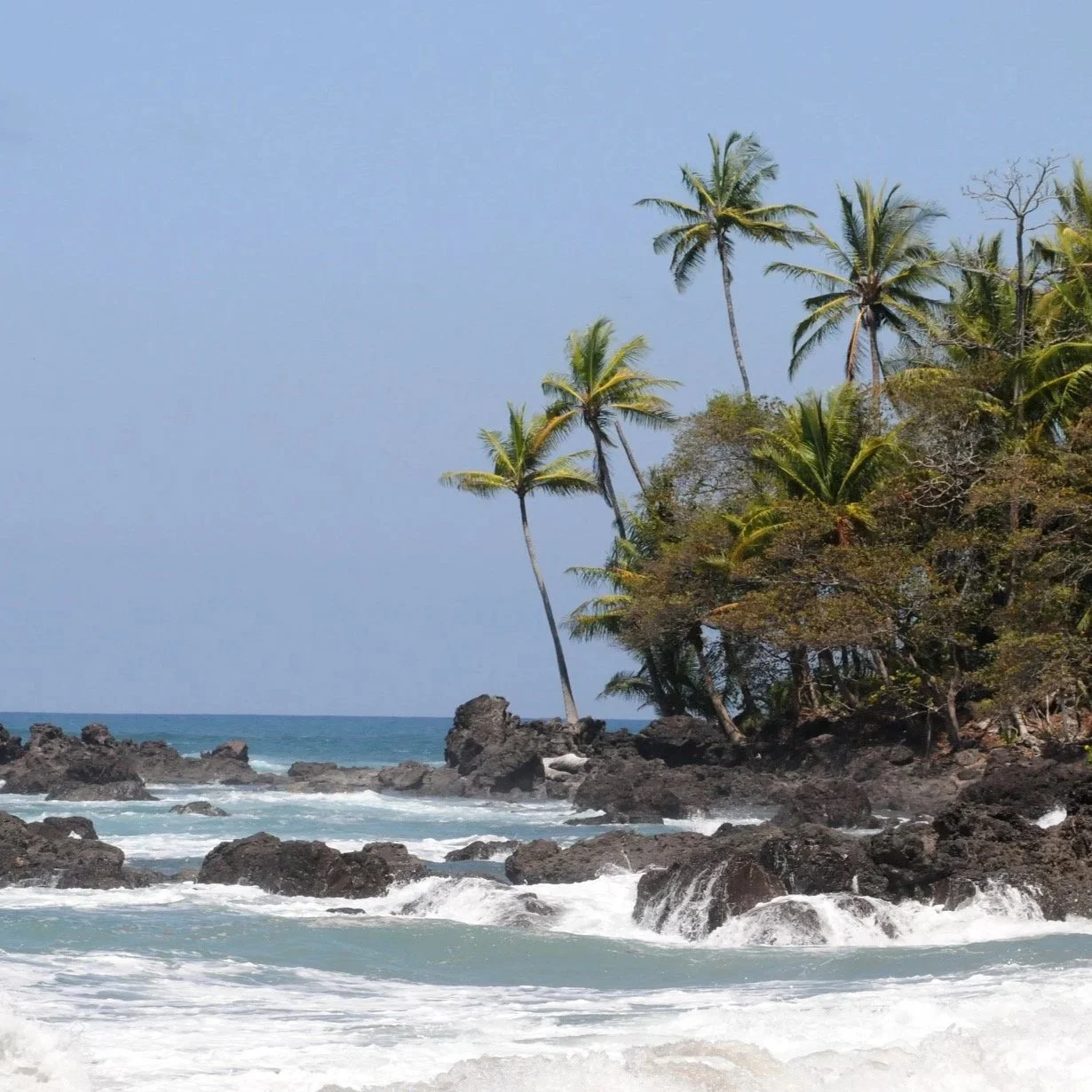
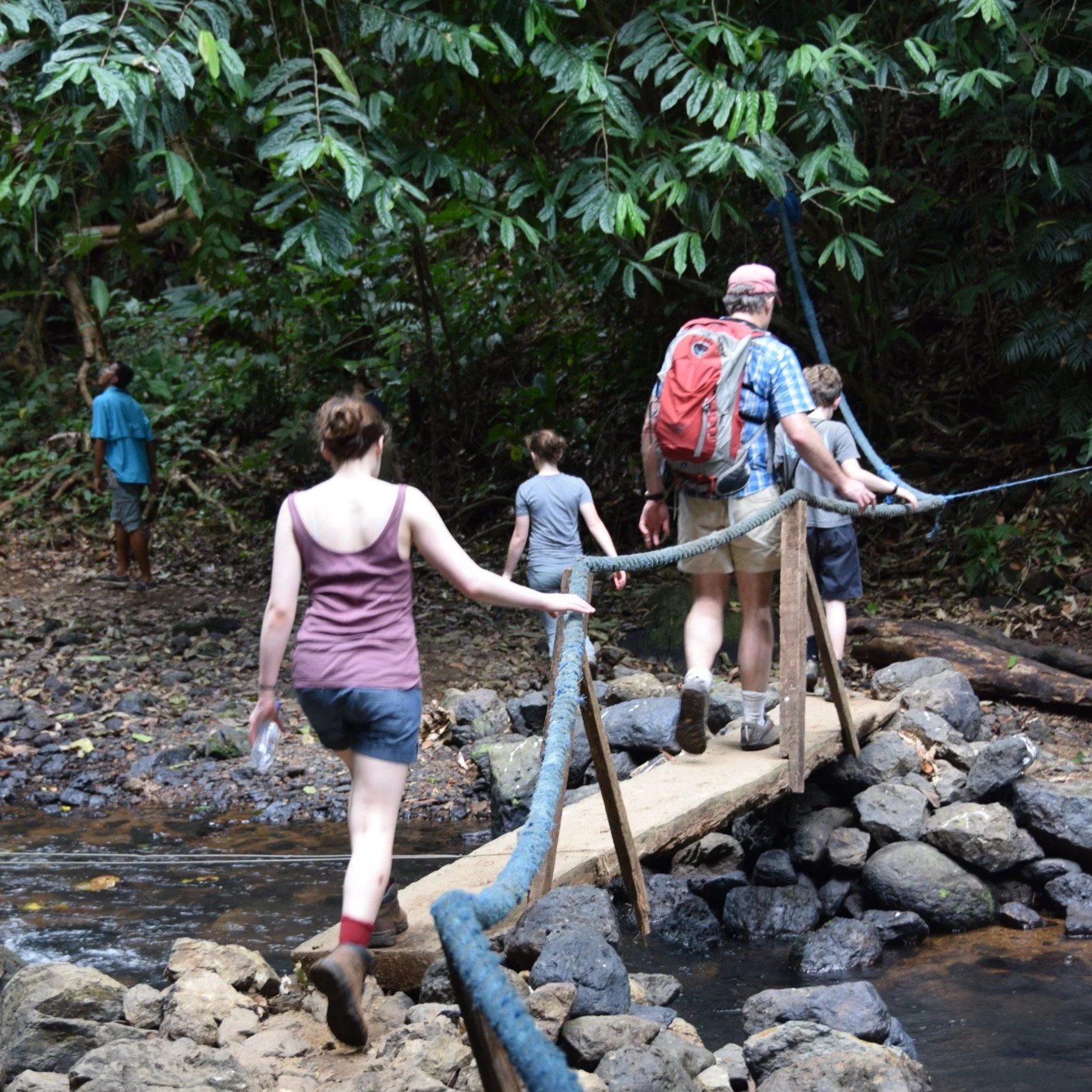
Corcovado is the crown jewel of Costa Rica’s National Parks and Reserves System.
Although we didn’t visit this NP this year, I highly recommend a day tour here if you can handle a ten-hour day that involves a boat ride, a hike inside the park, and a boat ride back. I’ve seen some tours rank this medium for activity level (not easy, not difficult) due to the uneven trails and amount of walking.
Corcovado has been rated by National Geographic as one of the most bio-diverse places on earth. We visited it years ago and had guides that were not great (walking off trail and some in bare feet). Additionally, one of our group members had issues with dehydration. We turned around halfway through our tour, but did see spider monkeys, a crocodile, an iguana, and peccaries. The beach, where we rested under the shade of a palm tree, was one of the prettiest I’ve seen.
Make sure you have a good guide. Again, I’d connect with Enoc, the owner/operator of Sierpe Azul Tours, who now lists some Corcovado tours. He’s very knowledgeable and sees birds and animals that most tourists would miss. Plus, he’s a nice guy who has a wealth of information.
Important!
Two points are super important for a positive, memorable, and healthy visit.
First, stay hydrated. I’ve read several articles from visitors who had issues with dehydration while hiking in Corcovado or while walking the beaches. Traveling in Costa Rica requires a full water bottle at the start of any hike or day, as well as when lounging at the pool or beach. A good piece of advice is this: When your water bottle is half-empty, turn around and start hiking back. If you’re thirsty, you’re already a bit dehydrated. The sun is strong. Humidity levels in the rainforest can be high, depending on the time of year you visit—even during the dry season.
Second, hire guides when you’re visiting a National Park or Reserve. You will learn a ton, plus, you’ll see all kinds of birds and animals that you would pass without noticing on your own. A good guide is worth every Costa Rican Colón (CRC) you spend.
All pictures in this article were taken by Erik or Edie Kramer, unless otherwise noted.