
Get a New Kitchen Without the Cost and Chaos of a Major Renovation
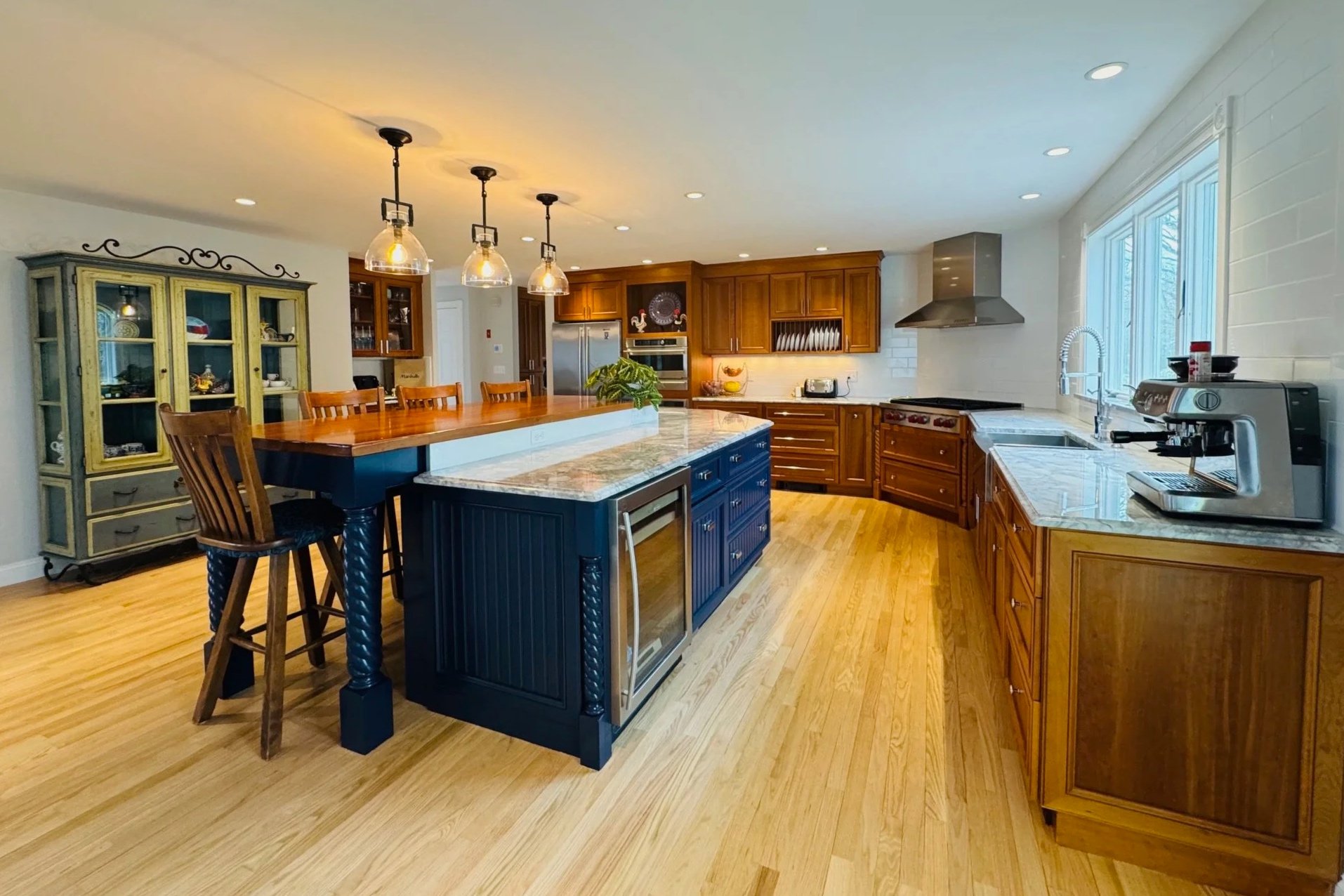
The Heart Of The Home
The kitchen is the most expensive room in the house to remodel. It is also widely considered the most important room from a home value and marketability standpoint.
It’s also where most people spend their time when at home—hence why it’s often called ‘the heart of the home’. It’s the central hub or gathering spot for family and friends where cooking, entertaining, and memory-making happen. How many times have you set up your main rooms for a party (additional chairs, appetizers, music, etc.) only to find everyone has gravitated to the counter or island in the kitchen, where they’ll spend the rest of the evening laughing or in deep conversation?
Your kitchen handles much of the comings and goings of the home.
Is Your Kitchen Tired?
At some point, you stand in your kitchen, look around, and think, “Nothing is technically wrong…so why does it feel so tired?”
The cabinets are still in good shape. The layout is fine. The appliances are hanging in there. And yet, the whole space feels stuck in another decade.
The Reality Of Renovations
A full renovation sounds like the answer—until you factor in the cost, the decisions, the timeline, and the small detail that your life will be turned upside down for months. And just to be clear, you should probably double the estimate bouncing around in your head to match today’s pricing. Since 2020, everything related to home construction and renovation has dramatically increased, including labor costs. Same with the timeline—I’ve never heard of a renovation that takes less time than anticipated. In fact, a single delay of a product delivery or even a small snafu with a subcontractor can add weeks to a project.
If your layout is good, it may be hard to justify a major renovation. But particularly after heavy use, you may need a kitchen refresh.
Here’s the part most people don’t realize:
You don’t need a full renovation
to get a kitchen that feels brand new.
And that’s good news for your wallet and sanity.
My Kitchen Refresh
We expanded our kitchen about 16+ years ago. At the time, I was in love with the European country kitchens I had seen while visiting Italy. I chose natural cherry cabinets with a simple door and rustic hardware; white with gray veining quartzite countertops; a travertine tile backsplash (with a focal area behind the stove); a white porcelain apron sink; and a distressed wood table attached to a large navy blue L-shaped island with colored glass pendant lighting and an accent of blue glass tile along the island’s 4” backsplash. I thought it was fabulous (it was). We had many family and friends’ gatherings that put that kitchen's staying power to the test!
Fast forward to about four years ago, when I found myself thinking, ‘This kitchen feels outdated and needs a refresh.’ This was a bit of a hard pill for my husband to swallow, given he thought the kitchen wouldn’t change for as long as we lived in the house (i.e., until we died).
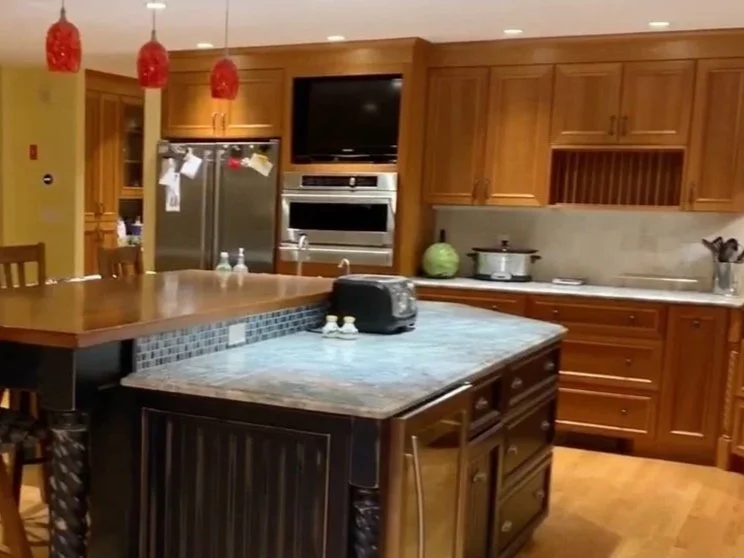
The kitchen was in great shape, but the European country feel felt a bit outdated. When deciding to refresh an expensive space, what do you keep and what do you change?
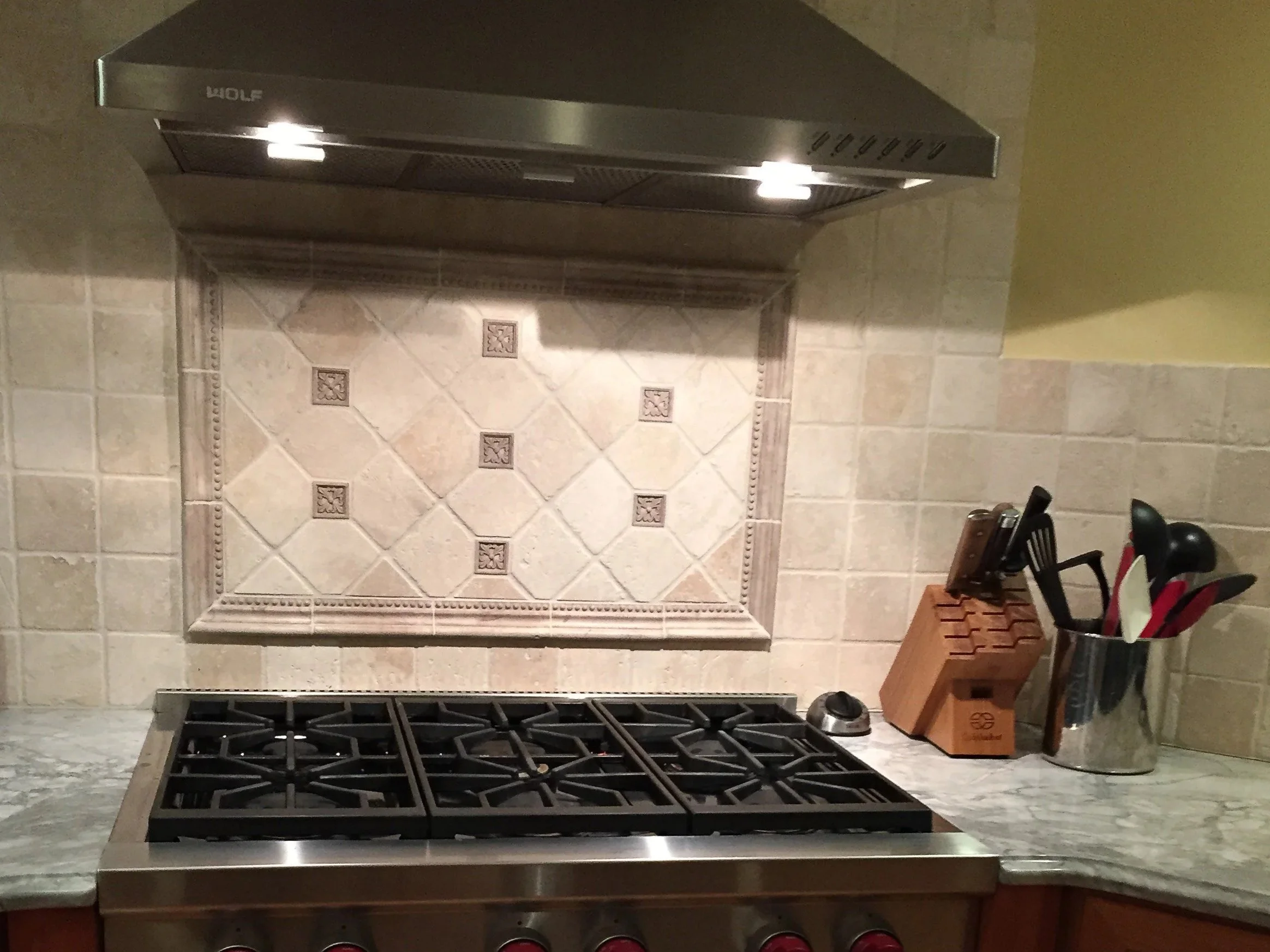
Although the travertine tile backsplash, including the feature behind the stovetop, was a highlight of the European country kitchen, it was the obvious large visual area to change for maximum impact.
The cabinets and countertop were a no-change. Either would be too costly to replace, and we still really liked both. My biggest visual space change was to the backsplash—I picked an oversized white subway tile for the entire area, extending it from the countertop to the ceiling. Replacing the travertine tile, which had been chosen intentionally for its ‘old world’ feel, instantly brightened the room and gave the space a more modern feel. I also changed the traditional farmhouse-style faucet to a professional-looking high-arc design, complementing the tile and stainless steel sink. Stronger, clear-glass pendants over the island table brightened the space. Lastly, I updated the cabinet hardware to contemporary bars and knobs with a brighter finish than the original hardware. The white porcelain sink was replaced with stainless steel about five years after the renovation because it had cracked, and I lost trust in porcelain's durability in a busy kitchen.
Making A Few Strategic Updates
The result was a huge update with a moderate budget. I classify the refresh as moderate rather than inexpensive because the original backsplash teardown required new sheet rock, and there was a lot of tile and labor required for the countertop-to-ceiling area. Also, the pendant lighting was more pricey than I expected. Faucets and cabinet hardware were reasonably priced.
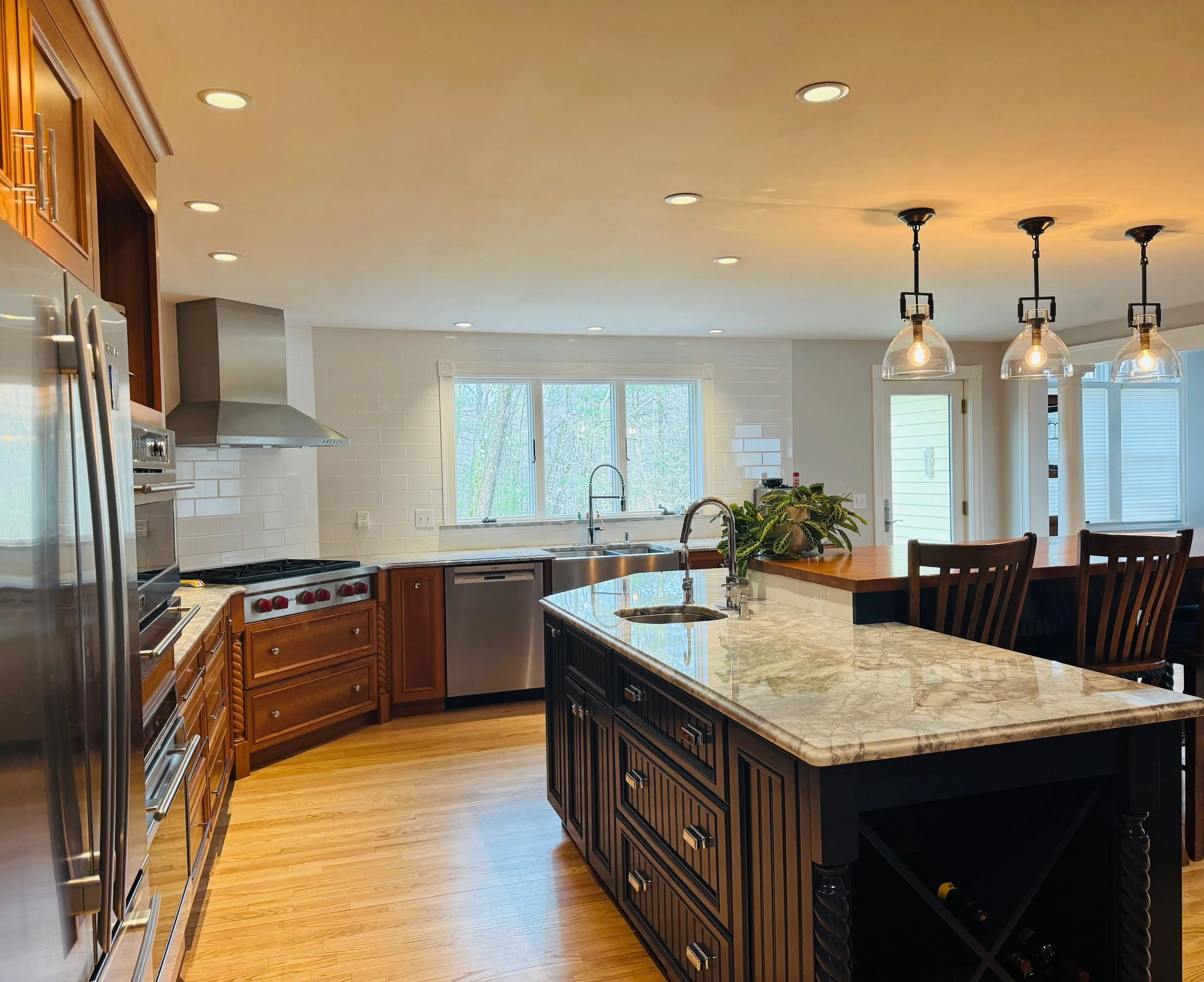
Our kitchen still has some cozy European country elements, but the overall feel is more modern and up to date.
As I reviewed the 2026 kitchen trends, I was surprised to find that my choices aligned with what customers are drawn to today. Evidently, my taste is not unique!
Where To Begin
Start With One or Two Large Visual Elements
In most kitchens, the largest visual elements are also the most costly—the cabinets, countertops, and appliances. Updating any of these would have a major impact on the look and feel of your kitchen, but fully replacing them is often cost-prohibitive.
There are other options.
Cabinets
If the ‘bones’ of your cabinets (boxes and doors) are in good shape, a widely supported option among designers is to paint them. I painted the cabinets in my laundry room, adjacent to my kitchen, about 5 or 6 years ago. The impact was amazing. The paint products I used (made specifically for cabinetry) have held up well. The room gets a lot of use, and the cabinets still look brand new.
If the boxes are good but the doors need replacing due to style or condition, replacing them is much more affordable than installing brand-new cabinetry. As a start, check out Home Depot (or a similar store) cabinet doors. Many offer custom sizes and a breadth of styles. Additionally, I’ve found local cabinetmakers can be very competitive (and you’ll get the exact design you want).
Best Products: Top-performing, durable paints include Benjamin Moore Advance and Sherwin-Williams Emerald Urethane Trim Enamel.
2026 Color Trends: Forget stark white and cool gray. These colors are being replaced with warmer neutrals (beige, cream, and warm greige) and nature-inspired colors (soft greens like sage and olive; muted terracotta; deep blues and coastal hues). Natural wood colors, particularly white oak and dark walnut, are also surging.
Countertops
Like cabinetry, countertops are a major visual element in a kitchen, and new ones will have a significant impact.
Simple white quartz, once sought by virtually every customer over the past ten years renovating a kitchen or building a home, is being replaced by more organic, warm-toned options.
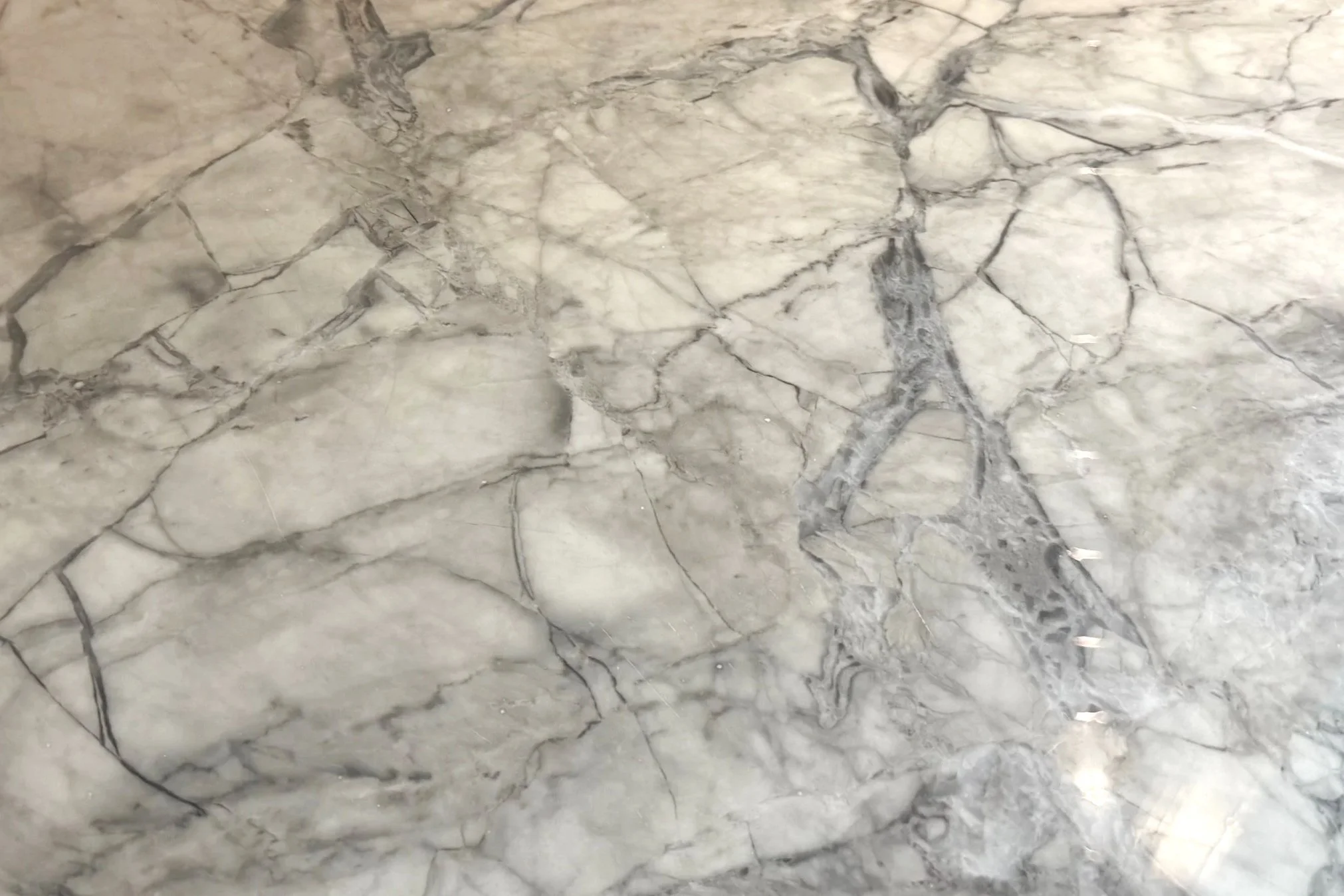
When we purchased the slabs for our kitchen 18 years ago, we were told we were purchasing quartzite, a very hard, durable stone. Given the stone's unusual whiteness and its lower durability compared to granite and quartz counters in our bathrooms, we now believe it is marble. We had to add a thin-film protective coating a few years ago to help protect the stone against etching, staining, and scratches that were appearing everywhere.
Natural Stone: Although expensive, natural stone still wins out in most kitchen designs. However, there’s a slight twist compared to what has been used over the last ten years. Today, stone with significant movement, such as veined quartzite, tops the list. Honed or leathered soapstone and limestone are also sought-after options. It’s all about seeking some warmth in the stone or using it as a focal point. Even replacing just one section, like an island or baking area, can make the whole kitchen feel updated. Quartz is still very popular, but with veining (buzz word is ‘movement’) rather than a solid white.
You may be wondering about the dark-brownish granite countertops used everywhere in the ‘00s and ‘10s. Even with the trend towards warmer tones, I have not seen any indication that these are making a comeback. Many granites from that era have a dated, heavy look. If you have this type of stone in your kitchen, it may be the main reason you feel you need a kitchen refresh. People want coziness and warmth, but with a light, airy feel in the room—it’s a balance.
More Affordable Options: Butcher block, concrete, and DIY kits are options to consider if cost is an issue.
Butcher block countertops
Warm wood counters instantly make a kitchen feel intentional and designed. They work with modern, farmhouse, and Scandinavian styles and cost a fraction of what quartz or granite does. Be aware, however, that wood is porous and requires continuous maintenance!
Concrete skim coats
A thin concrete layer over existing counters creates a modern matte look that feels fresh and architectural. I’ve seen this done, and think it works if you want an industrial, ultra-modern look to your kitchen. The cabinets, flooring, and other elements have to be very simple and non-traditional to work well with this type of countertop (in my opinion).
Countertop refinishing kits
These DIY kits mimic granite or quartz with layered coatings and stone textures. I’ve not seen this done, so I cannot vouch for how good it looks or how long it lasts. There’s a lot of talk about these kits on many of the top home renovation websites. It’s an option, but I suspect it's more appropriate for a rental unit or temporary fix.
Add/Change the Backsplash
If your kitchen has no backsplash, a very dated one, or a 4-inch-high granite edge that matches your countertop, this is one of the fastest visual improvements you can make. Depending on the material you select, it could also be one of the most cost-effective refresh options, given the impact.
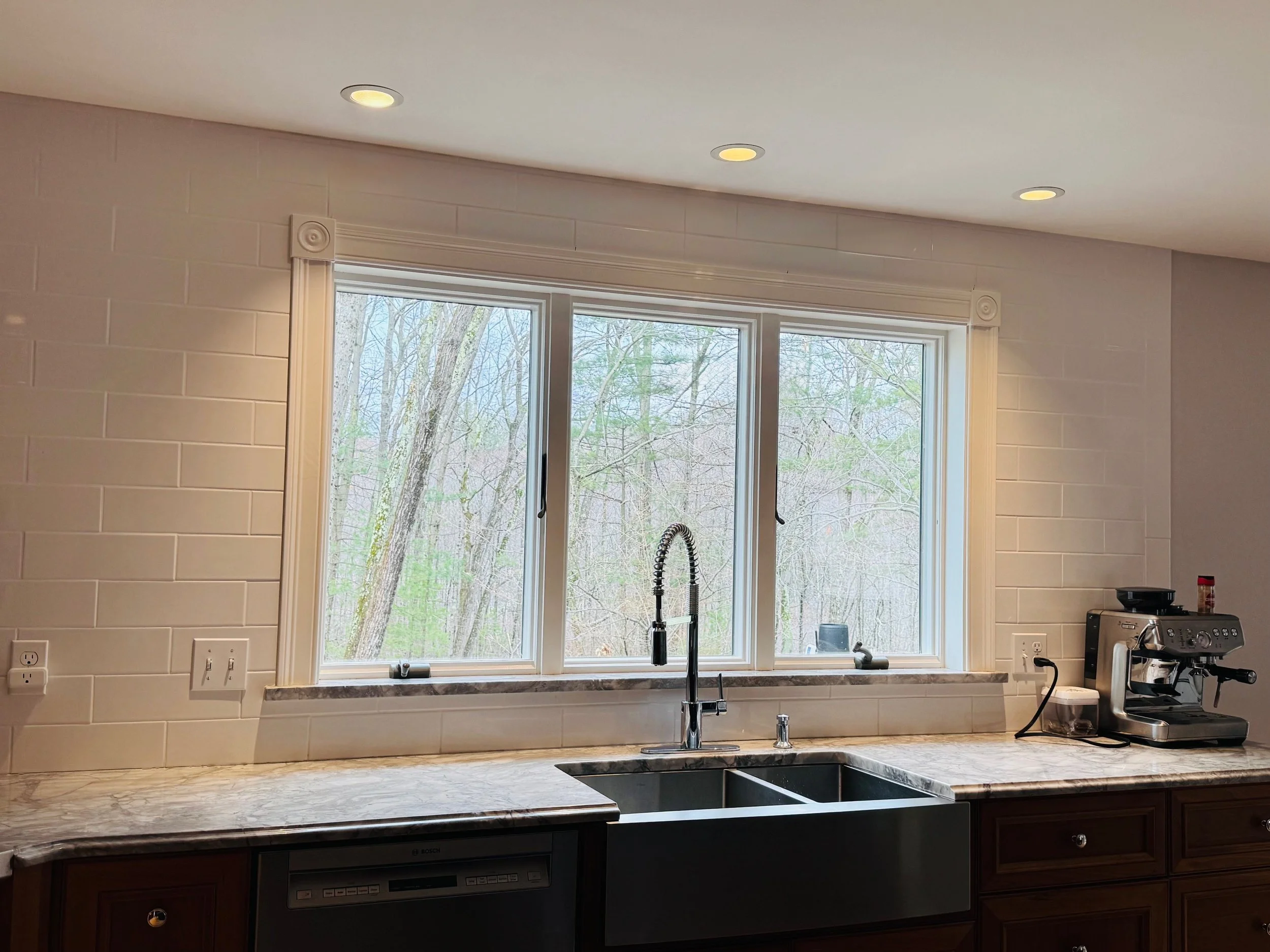
The most expensive item in our kitchen refresh was replacing the backsplash with an oversized white subway tile that extends from the countertop to the ceiling. It instantly brightened and modernized the kitchen’s look and feel.
Large Stone Slab: The big 2026 backsplash winner uses a continuous piece of stone (marble, quartz, porcelain) instead of tile. People love it because it offers a seamless high-end look that can make a kitchen look bigger, and since there’s almost no grout, it’s super easy to clean. Designers like this option, especially when the countertop material runs up to the ceiling for a continuous look.
Zellige Tile: These slightly uneven, glossy handmade tiles (often Moroccan-inspired) are trending because they add warmth and texture to a kitchen. I’m a bit cautious about this option because I suspect it will quickly become dated, and it can be an expensive product purchase and installation. Also, I’m not a fan of uneven tiles trying to look artisanal over a large area. I think it’s fine for a small space like a nook or behind your stovetop, but I prefer to keep large areas of the kitchen simple and sleek.
Designers call it one of the most requested backsplash styles because it adds character without overwhelming the space.
Other Tile Options: Still a classic, subway tile remains highly requested for many kitchen renovations. The only difference is the larger sizes being used (3” x 6” and larger). White, cream, and neutral colors; colors that match painted cabinets; and tile designs that map to the home’s location (coastal, city, mountains) are all options. This is an area where you can add personality. Just a reminder: the backsplash is a large visual area of a kitchen and a permanent element, not an accessory that can be easily changed out.
Less Costly Refresh Ideas
Swap the Hardware
Change the knobs and pulls (style and/or finish), and suddenly the cabinets themselves feel new. The current finish favorites are brushed brass, matte black, warm bronze, and slim modern bar pulls.
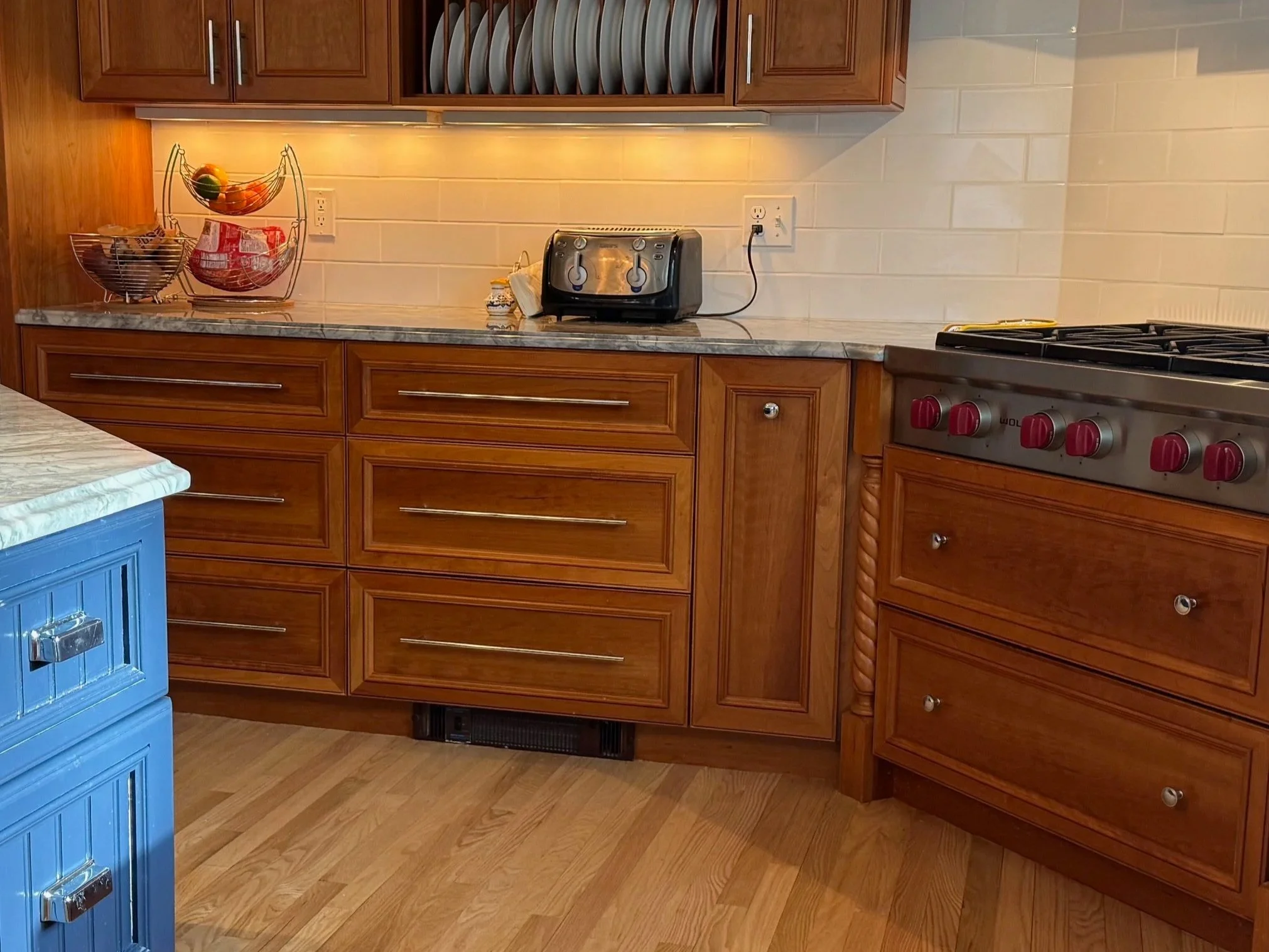
Changing the hardware from a rustic oiled finish to polished chrome brightened and modernized the look of both the blue and natural cherry cabinets in our kitchen.
Upgrade the Faucets
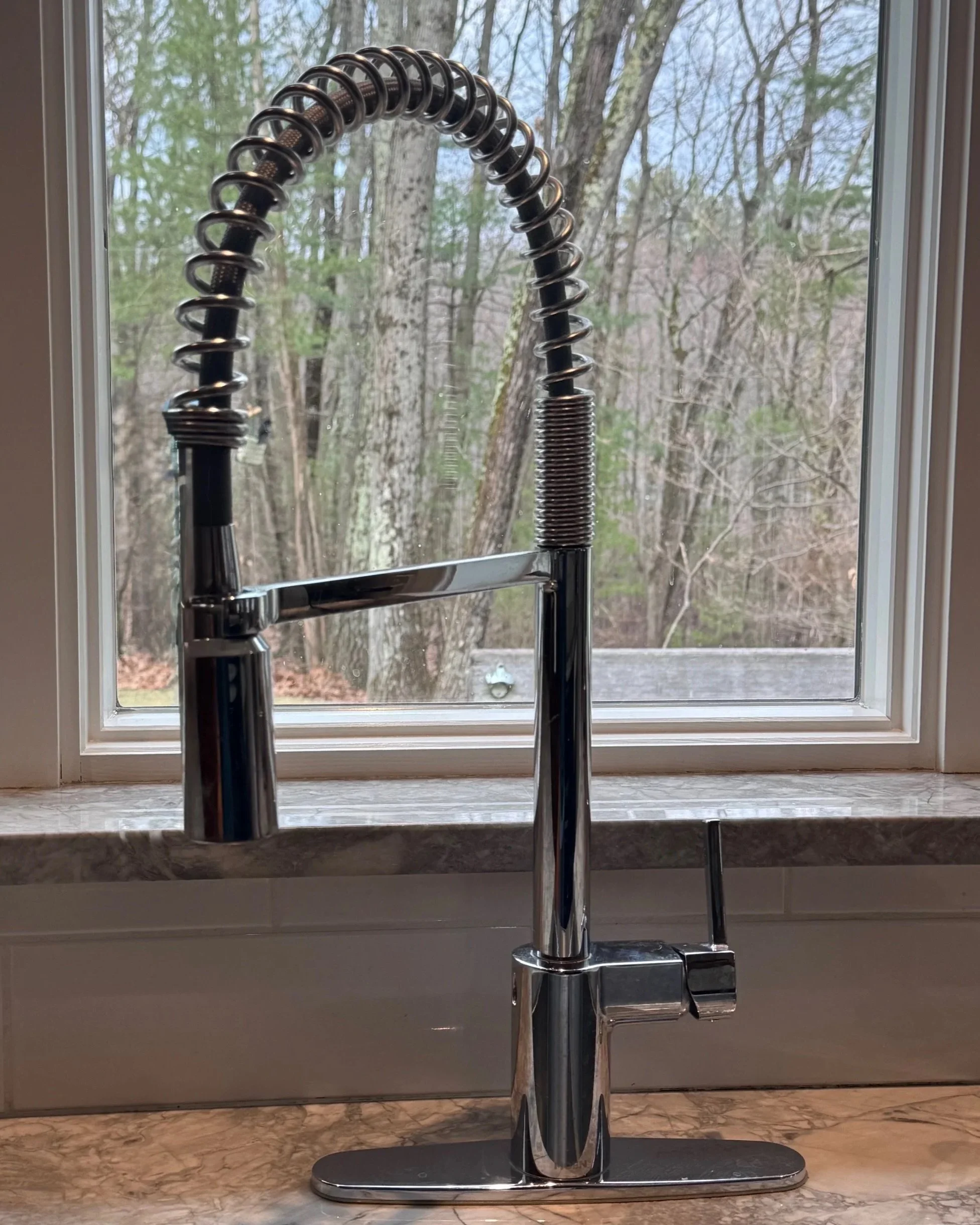
Our new pull-down professional-style faucet has greatly improved the dishwashing duty.
This sounds small, but the faucet sits at the center of the kitchen. A new one can instantly modernize the space. It’s a one-hour upgrade that can change the whole sink area.
Look for pull-down professional-style faucets, high arc designs, and finishes such as matte black, brushed brass,
Improve the Lighting
Lighting might be the most underrated kitchen upgrade. Better lighting instantly makes a kitchen feel more modern, and good lighting also makes countertops and cabinets look better.
Three upgrades that make a difference are pendant lights over an island, under-cabinet LED strips, and a statement fixture over the sink or table.
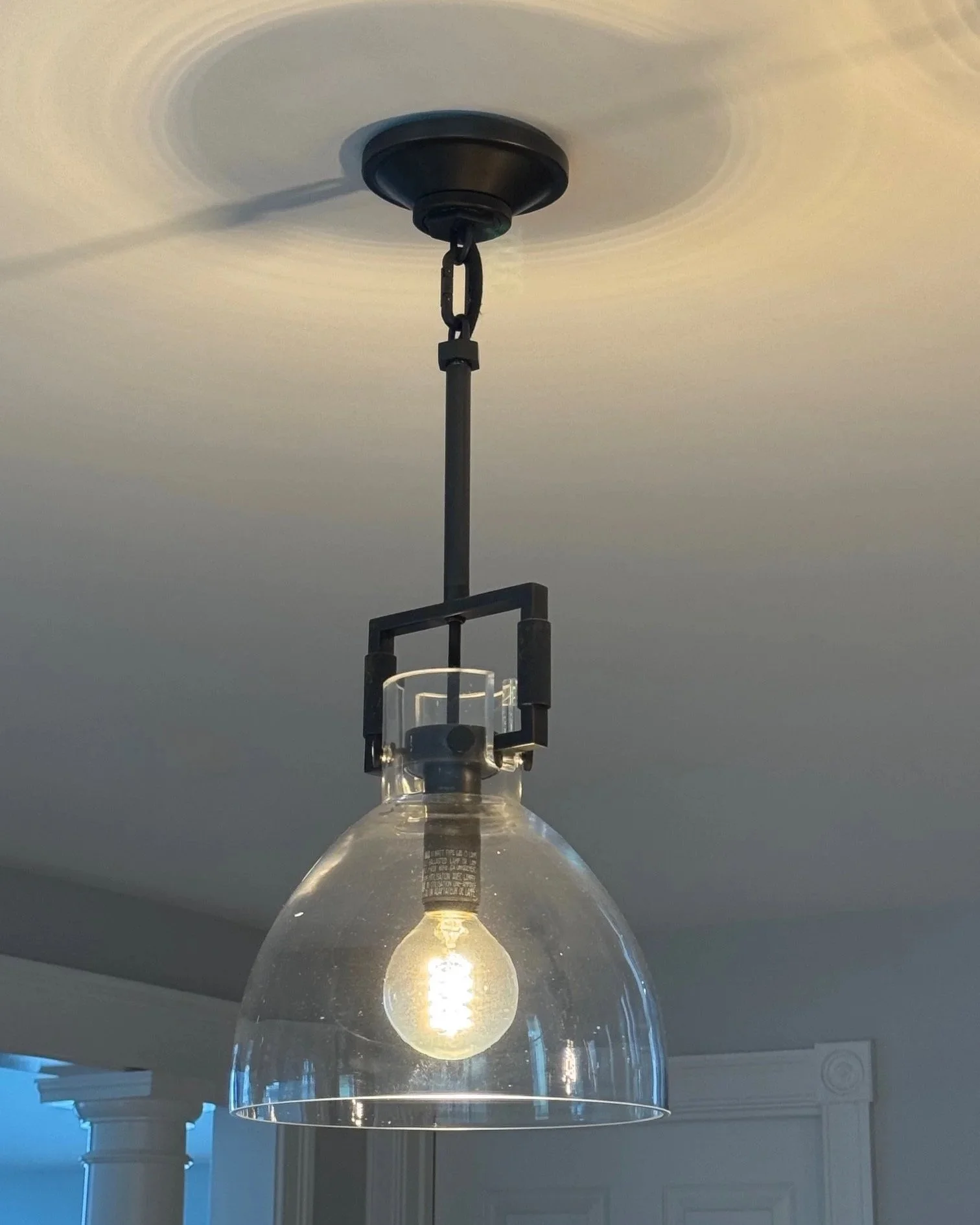
Good lighting matters. Our original colored-glass pendants were pretty, but did not cast enough light on the eating area. The larger, clear glass pendants were a game-changer.
For the pendants and statement fixtures, I like to visit Restoration Hardware for lighting design ideas. Historically, they have been at the forefront of lighting trends. If you can afford their lighting, aren’t you fortunate! If not, they are a good vendor to get ideas from and then go hunting online for similar profiles, finishes, etc.
Edit the Countertops
Not to be sassy here, but clutter sucks the air out of a room.
Sometimes the easiest upgrade costs nothing. Many kitchens look cluttered because everything lives on the counter.
Try this simple rule: keep only four things out. For example, the coffee setup, the toaster/toaster oven, a fruit bowl, and one decorative object or plant.
The result feels calmer, cleaner, and more intentional. Clutter creates chaos and makes decent-sized kitchens feel small.
Kitchens That Feel New
Full renovations will always have their place.
But for many people, the real goal isn’t demolition. It’s simply wanting the kitchen to feel fresh again.
And with a few smart upgrades—counters, hardware, lighting, and paint—you can transform the space without too much chaos or six-figure invoices. Now that’s a refreshing idea!


Are you planning to stay in your current home and age in place? If your answer is ‘yes’, what can you do today to help make your home a place that supports your current and future needs?