
Beyond the Finances: 4 Top Priorities For A Great Retirement
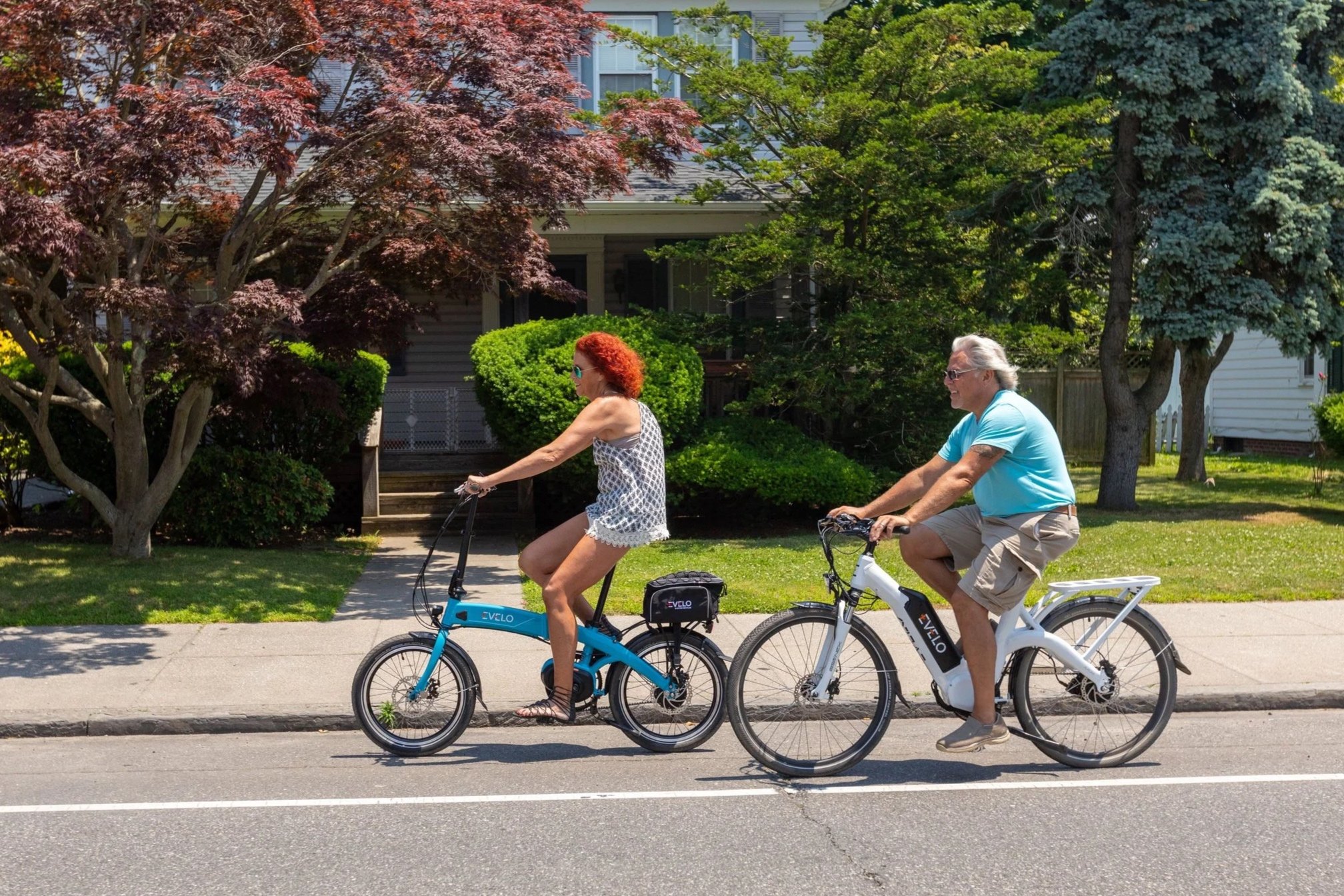
How many of us, when thinking about retirement planning, tend to focus on the financial side of things? It is kind of jammed down our throats as we age. There are a ton of resources out there to help you invest properly, insure yourself against long-term care costs, and so much more when it comes to money advice. You can’t help but be forced to think (or at least worry) about your finances during retirement.
But when asked what you’ll do in retirement, does your mind go a bit blank, aside from thinking, “I’ll just be able to enjoy life”? Maybe you talk about one or two interests you’d like to pursue, but more specifics are a bit murky. If so, you’re not alone.
After all, you’ve worked hard for many years. You may have raised a family. Your days have been filled with activity and decisions appropriate for the moment. How could you possibly know exactly how you’ll fill your days in retirement before you retire and test a few things out?
A Good Retirement Is More Than Relaxation and Enjoyment
When you stop working, you should be able to relax and enjoy life. And sure, there’s some of that. Sleeping in feels great. So does not caring what day of the week it is.
But if you talk to actual retirees like myself, you’ll hear a different picture emerge pretty quickly after you’ve had a few weeks of ‘relaxation’.
That’s because a healthy retirement isn’t just about slowing down. It’s about finally having the space to choose how you live—what you do and who you do it with. And many retirees are realizing that what they want is a mix of freedom, purpose, connection, and health. Much more than just ‘relaxation’ and doing not much of anything.
What Active Retirees Want
Even though everyone’s retirement journey is uniquely personal, having newfound freedom is a priority.
The freedom to travel without rushing
The freedom to say yes—or no—without guilt
The freedom to wake up and decide what the day looks like
To be clear, it’s not the ‘do nothing’ kind of freedom—that gets old fast. It’s also less about escape and more about control.
After decades of schedules and responsibilities,
you now have the time to do what you want, when you want.
Purpose
At first, having nothing you have to do sounds amazing. But endless leisure can get old fast. Without a plan, you might, at some point, wake up with the unsettling thought: “So…what am I doing today?”
That’s where purpose comes in. Purpose doesn’t have to mean a big, dramatic reinvention. It can be as simple as
Volunteering a few hours a week
Mentoring someone in your old field
Taking on a project that actually excites you
Learning something just because you can
You need to feel useful, engaged, and
like your time still matters—because it does.
Connection
This is a biggie that some people worry about for good reason. It can be a particularly dramatic shift for those of us who held demanding jobs. Work gave us a built-in social life. Retirement quietly removes that.
And while the idea of “no more office small talk” sounds appealing, or you’re happy to no longer see some of the people you worked with, it turns out humans still need human contact. A lot.
It can be hard to make new friends. It requires a conscious effort to focus on meeting new people who share your interests. And that’s not easy.
To address this need, some retirees will start actively seeking connection by:
Joining clubs or classes
Traveling with groups instead of alone
Volunteering (again—it checks multiple boxes)
Making a point to see friends regularly
Because here’s the truth:
Freedom without connection can start to feel a little lonely,
and loneliness is a killer.
Health
When you reach retirement, the focus on health is no longer about looking a certain way (although who wouldn’t want that 40-year-old body that at the time we thought was a bit ‘soft’?) Health is more about:
Staying mobile
Keeping your energy up
Being able to do the things you finally have time to do
That’s why you’ll see many retirees focus on:
Walking, strength training, yoga
Better sleep and stress management
Paying attention to what actually makes them feel good day to day
It’s not about perfection. It’s about maintaining the kind of
health that supports the life you want—because
everything else about the life you live depends on it.
It’s About Balance, Not Extremes
The happiest retirees aren’t the ones doing nothing. They’re also not the ones over-scheduling themselves into a second full-time job.
The happiest retirees find a rhythm with:
Enough freedom to feel relaxed
Enough purpose to feel engaged
Enough connection to feel supported
Enough health to enjoy all the goodness retirement offers
Mix things up a bit and let how you spend your time evolve.
Some months are about travel. Others are about family. Sometimes it’s learning something new. Sometimes it’s just sitting outside with a coffee and thinking, “This is nice.”
What Does Retirement Actually Look Like?
Retirement is less of a finish line and more of a redesign, and it’s not just one thing. So before you retire or as you begin retirement, ask yourself the following:
What do I want my days to feel like?
Who do I want to spend time with?
What actually makes me feel alive?
And then—this is the best part—you get to build around those answers.
No permission required.
If you’re heading toward retirement (or already there), it’s worth remembering:
You’re not just retiring from something.
You’re retiring into something.
And the sweet spot is the combination of having freedom, purpose, connection, and health. Get those working together, and you’re not just
retired—you’re living well.

Retirement’s not just about slowing down. It’s about finally having the space to choose how you live—what you do and who you do it with. So what are a huge number of retirees choosing to focus on?